
Know what you're pulling
A quick guide to the weeds doing the most damage on South Head, what to look for, and how to deal with them.
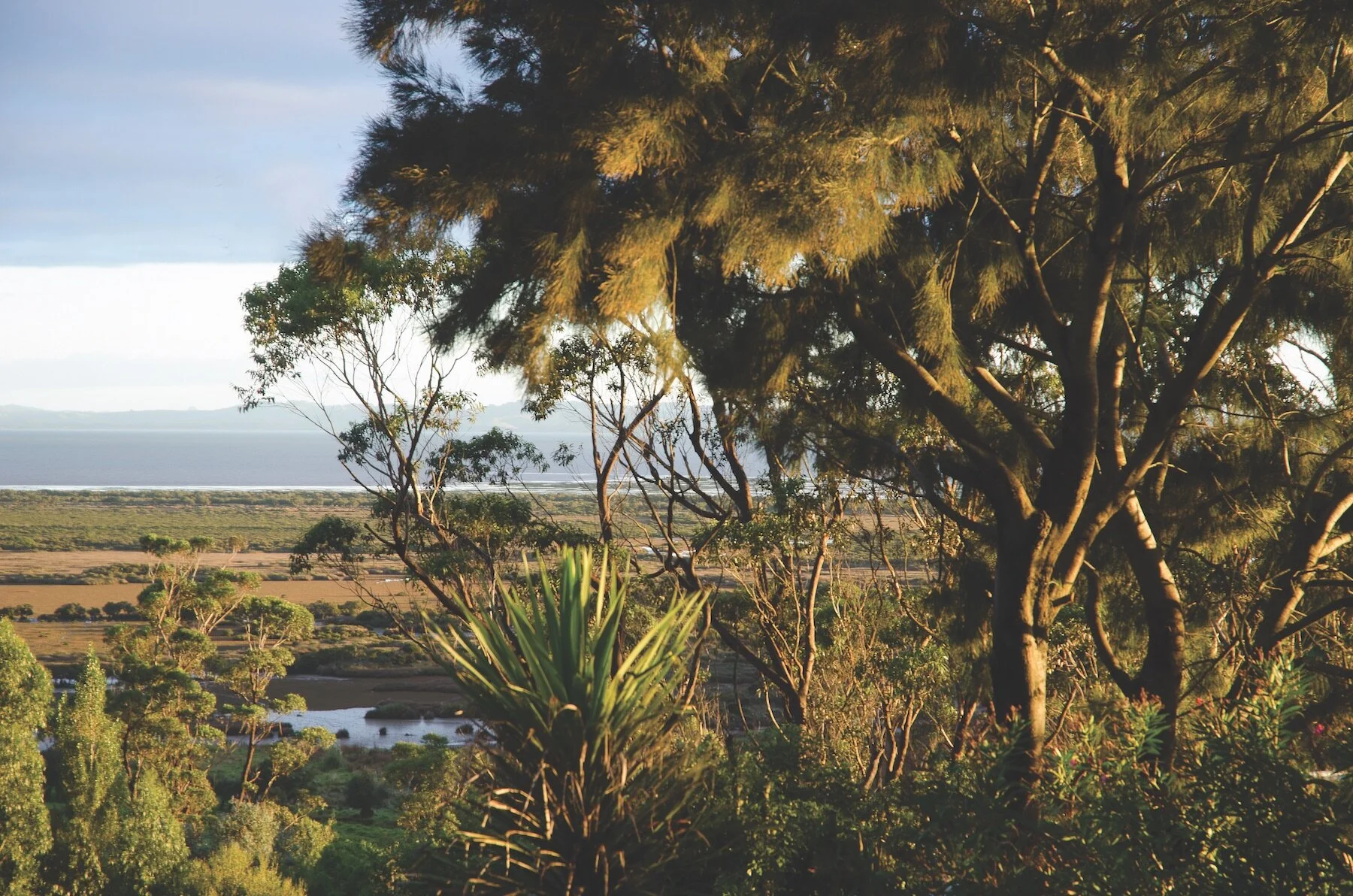
Introduced weeds smother our native bush just as much as rats and possums threaten our birds. Left alone, they choke out the seedlings and canopy that give the peninsula's wildlife somewhere to live. Below are the pest plants most worth knowing on South Head, what to look for, and how to deal with them.

Moth plant
Moth plant is a climbing vine that smothers native plants. It flowers December to May, producing large fruit filled with hundreds of parachute-like seeds. The poisonous milky latex in stems, leaves and roots can cause dermatitis.
Dig or pull out. Remove and dispose of pods in landfill or green waste to stop seed germination. Wear gloves.
Cut and paste the freshly cut base of stems with Metsulfuron gel. Repeat three times within a year.

Wild ginger
Wild ginger has large green leaves, tall yellow or creamy yellow flowers, and fleshy orange fruits. It forms dense stands that suppress other plants and disrupt nutrient cycling, which can lead to increased soil erosion.
Cut stems and dig out rhizomes. Dispose of rhizomes and seeds in landfill or green waste.
Apply Metsulfuron gel to cut stumps and rhizomes. Repeat three times within a year.

Woolly nightshade
Woolly nightshade has furry grey-green leaves, purple flowers and yellow berries, and can grow into a small tree forming dense stands. Berries are poisonous, especially to children, and touching the plant may irritate skin and airways.
Dig out or pull out and dispose of seeds to landfill or green waste. Wear gloves.
Cut and paste with double strength glyphosate or picloram gel. Repeat three times within a year.

Brush wattle
Brush wattle is a fast-growing, short-lived tree reaching 5 to 10 metres, with hairy bronze young shoots and feathery leaves. It bears small yellow-green bottlebrush flowers from May to August, followed by long green or brown seed pods.
Dig or pull out seedlings while they're small. Cut down larger trees, and keep removing any regrowth.
Cut back to a stump and immediately paste the fresh cut with Metsulfuron gel. Repeat if regrowth appears.
Everything you need to get started
- How to set up a Timmy trapVideo
- Trap NZ: logging your catchesGuide
- Trap NZ: reading the community mapGuide
- Borrow a trap from LandcareContact